MAGS IVF

Categories
Uncategorized

What is the Role of Prolactin in Fertility?

proloactin

What is the Role of Prolactin in Fertility?

Hormones play a vital role in regulating the reproductive system, and even a small imbalance can affect your ability to conceive. One such hormone is prolactin. While it is primarily known for helping mothers produce breast milk after childbirth, prolactin also influences ovulation, menstrual cycles, and reproductive health in both women and men.

When prolactin levels become higher than normal—a condition known as hyperprolactinemia—it can interfere with fertility and make conception more difficult. Understanding how this hormone works is an important step for couples trying to start a family.

What is Prolactin?

Prolactin is a hormone produced by the pituitary gland, a small gland located at the base of the brain. Its primary function is to stimulate breast development and milk production after childbirth.

In people who are not pregnant or breastfeeding, prolactin levels are typically low. However, when these levels increase unexpectedly, they can disrupt the normal production of other reproductive hormones, affecting fertility.

How Does Prolactin Affect Female Fertility?

For women, normal prolactin levels are essential for maintaining a healthy reproductive cycle. Elevated prolactin levels can suppress the release of gonadotropin-releasing hormone (GnRH), which in turn reduces the production of follicle-stimulating hormone (FSH) and luteinizing hormone (LH).

This hormonal imbalance can lead to:

  • Irregular or absent menstrual periods
  • Delayed or absent ovulation
  • Difficulty conceiving naturally
  • Reduced estrogen levels
  • Increased risk of infertility

Without regular ovulation, the chances of fertilization decrease significantly.

Can High Prolactin Affect Male Fertility?

Yes. Although prolactin is often associated with women, elevated levels can also impact male fertility.

High prolactin may result in:

  • Reduced testosterone production
  • Lower sperm count
  • Decreased sperm quality
  • Erectile dysfunction
  • Reduced libido

Since fertility depends on the reproductive health of both partners, hormone testing may be recommended for men during infertility evaluations.

Common Causes of High Prolactin Levels

Several medical and lifestyle factors can increase prolactin levels, including:

  • Benign pituitary gland tumors (prolactinomas)
  • Certain medications, such as antidepressants and antipsychotics
  • Thyroid disorders, particularly hypothyroidism
  • Chronic stress
  • Polycystic Ovary Syndrome (PCOS)
  • Kidney or liver disease

Identifying the underlying cause is essential before beginning treatment.

Symptoms of High Prolactin

The symptoms may vary depending on gender.

In Women

  • Irregular or missed periods
  • Difficulty getting pregnant
  • Unexpected breast milk discharge (galactorrhea)
  • Vaginal dryness
  • Reduced sexual desire

In Men

  • Low libido
  • Erectile dysfunction
  • Reduced facial or body hair
  • Infertility
  • Breast enlargement in rare cases

Some individuals may have no noticeable symptoms, making hormone testing an important part of fertility assessments.

How is Prolactin Related to IVF?

Couples planning assisted reproductive treatments often undergo comprehensive hormone evaluations. Elevated prolactin levels can affect ovarian stimulation, egg development, and ovulation, which may reduce the effectiveness of fertility treatments if left untreated.

Before starting treatment at an IVF clinic in Kolkata, fertility specialists usually assess hormone levels, including prolactin, to optimise the chances of successful conception.

Correcting hormonal imbalances before an IVF cycle can improve treatment outcomes and support a healthier reproductive environment.

How is High Prolactin Diagnosed?

Diagnosis typically begins with a detailed medical history and physical examination.

Doctors may recommend:

  • Blood tests to measure prolactin levels
  • Thyroid function tests
  • MRI scan of the pituitary gland if a tumor is suspected
  • Additional hormone testing depending on symptoms

Since prolactin levels can temporarily rise due to stress or recent physical activity, repeat testing may sometimes be necessary.

Treatment Options

Treatment depends on the underlying cause and the severity of symptoms.

Common treatment approaches include:

Medication

Dopamine agonists such as cabergoline or bromocriptine are commonly prescribed to lower prolactin levels. These medications often restore ovulation and improve fertility.

Treating Underlying Conditions

If hypothyroidism or medication side effects are responsible, addressing these issues may normalize prolactin levels.

Surgery

Rarely, surgery may be required for large pituitary tumors that do not respond to medication.

Many people regain normal fertility after appropriate treatment.

When Should You See a Fertility Specialist?

It may be time to consult a fertility expert if you experience:

  • Irregular or absent menstrual cycles
  • Difficulty conceiving after trying for a year (or six months if over 35)
  • Recurrent pregnancy loss
  • Symptoms suggestive of hormonal imbalance
  • Unexplained infertility

Experienced IVF specialists in Kolkata often recommend hormone evaluation as part of a comprehensive fertility assessment to identify treatable causes before proceeding with advanced reproductive techniques.

Supporting Fertility Beyond Hormone Treatment

While medical treatment is essential for hormone disorders, certain lifestyle habits can support overall reproductive health:

  • Maintain a healthy body weight
  • Eat a balanced, nutrient-rich diet
  • Exercise regularly without overtraining
  • Get adequate sleep
  • Manage stress effectively
  • Follow prescribed medications consistently

These measures may contribute to better hormonal balance and improved fertility outcomes.

Conclusion

Prolactin is much more than a hormone involved in breastfeeding. It plays an important role in reproductive health, and abnormal levels can interfere with fertility in both women and men. Fortunately, high prolactin is often treatable, and timely diagnosis can restore normal reproductive function.

If you are experiencing symptoms of hormonal imbalance or struggling to conceive, a comprehensive fertility evaluation can help identify the underlying cause. Modern infertility treatment in Kolkata includes detailed hormone assessments, enabling doctors to create personalised treatment plans based on each individual’s needs.

Categories
Uncategorized

How Age of Both Men & Women Can Impact IVF Success Rate?

infertility treatment in Kolkata

How Age of Both Men & Women Can Impact IVF Success Rate?

For many couples, In Vitro Fertilization (IVF) offers hope after months or even years of trying to conceive. However, one of the most common questions fertility specialists hear is, “What are our chances of success?”

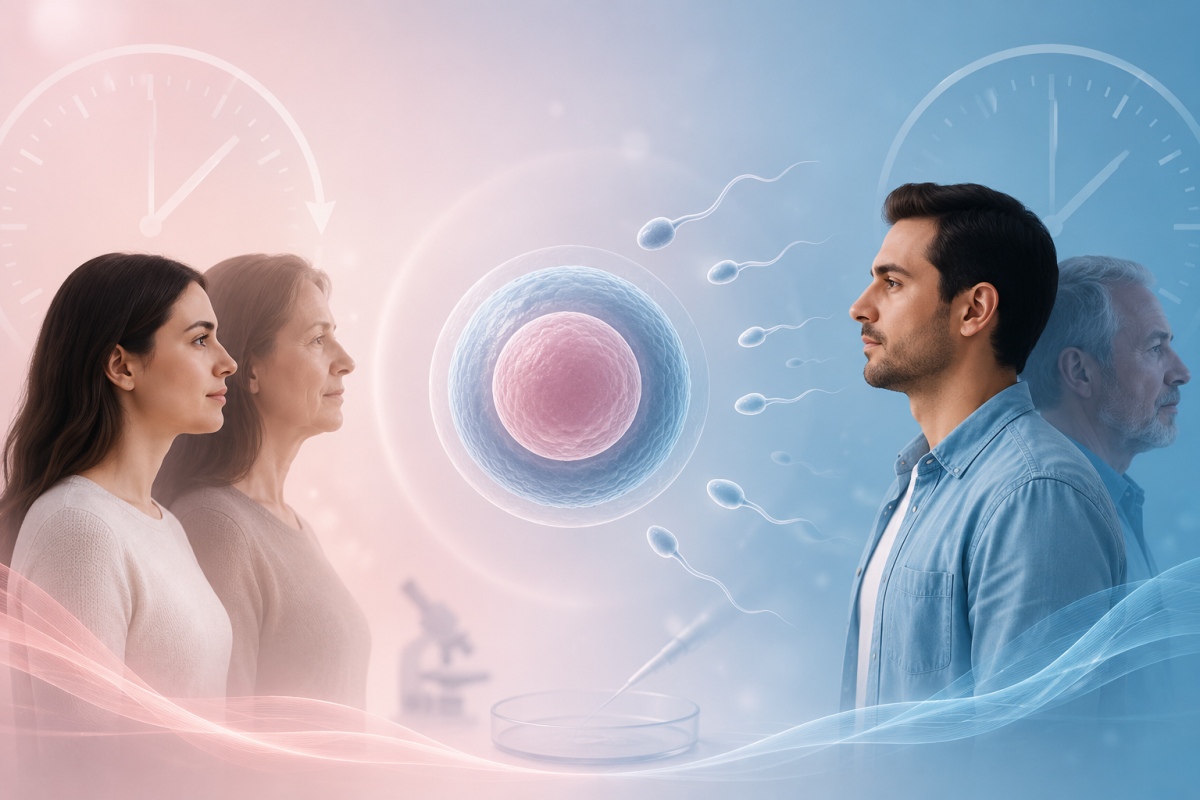
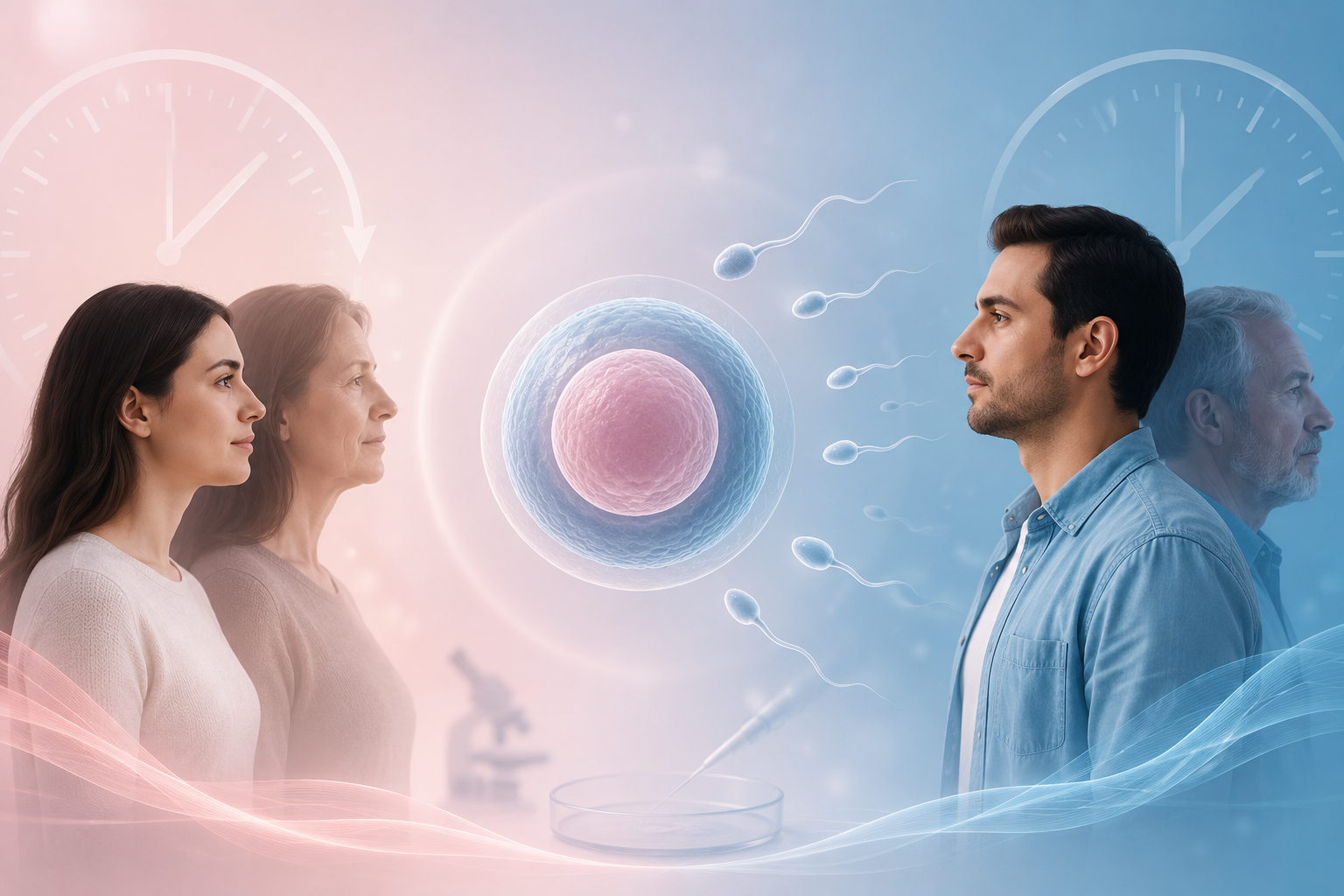
The answer depends on several factors, but age remains one of the strongest predictors of IVF success. While much attention is often given to a woman’s age, the age of the male partner also plays an important role in embryo quality and pregnancy outcomes.

Understanding how age affects fertility, embryo development, and implantation can help couples make informed decisions and seek timely medical guidance.

Why Age Matters in IVF

Fertility naturally changes with age. As men and women grow older, the quality of their reproductive cells declines, although the timeline and degree of decline differ between the sexes.

Successful IVF depends on several interconnected factors, including:

  • Egg quality and quantity
  • Sperm quality
  • Embryo quality
  • Uterine health
  • Overall medical condition
  • Lifestyle factors

Among these, age significantly influences the first three.

How Female Age Affects IVF Success

Women are born with a fixed number of eggs. Over time, both the number (ovarian reserve) and quality of these eggs gradually decrease.

Under 35 Years

Women below 35 generally have:

  • Better ovarian reserve
  • Higher-quality eggs
  • Greater chances of producing healthy embryos
  • Lower risk of chromosomal abnormalities

As a result, IVF success rates are generally highest in this age group.

Between 35 and 37 Years

Fertility begins to decline more noticeably.

Although many women still achieve successful pregnancies through IVF, doctors may recommend early evaluation and treatment if conception has not occurred after six months of trying.

Between 38 and 40 Years

Egg quality declines at a faster rate.

This may lead to:

  • Fewer mature eggs during stimulation
  • Lower fertilization rates
  • Reduced embryo quality
  • Increased miscarriage risk

Individual outcomes can still vary depending on ovarian reserve and overall reproductive health.

Above 40 Years

After 40, the decline in egg quality becomes more significant.

Challenges may include:

  • Lower implantation rates
  • Higher chances of chromosomal abnormalities
  • Increased likelihood of IVF cycle cancellation due to poor ovarian response

However, many women still achieve pregnancy with personalized treatment plans, and in some cases, additional reproductive options may be discussed based on clinical findings.

Does Male Age Affect IVF Success?

Yes. Although men continue producing sperm throughout life, sperm quality also changes with age.

Men above 40 or 45 years may experience:

  • Reduced sperm motility
  • Increased DNA fragmentation
  • Lower sperm morphology
  • Reduced fertilization potential

Poor sperm DNA quality may affect embryo development and can increase the risk of miscarriage or unsuccessful implantation.

This is why fertility specialists routinely evaluate both partners rather than focusing only on female fertility.

The Role of Embryo Quality

A healthy embryo is one of the strongest predictors of IVF success.

Embryo quality depends largely on:

  • Egg quality
  • Sperm quality
  • Laboratory conditions
  • Fertilization process

Higher-quality embryos have a better chance of implanting successfully and developing into a healthy pregnancy.

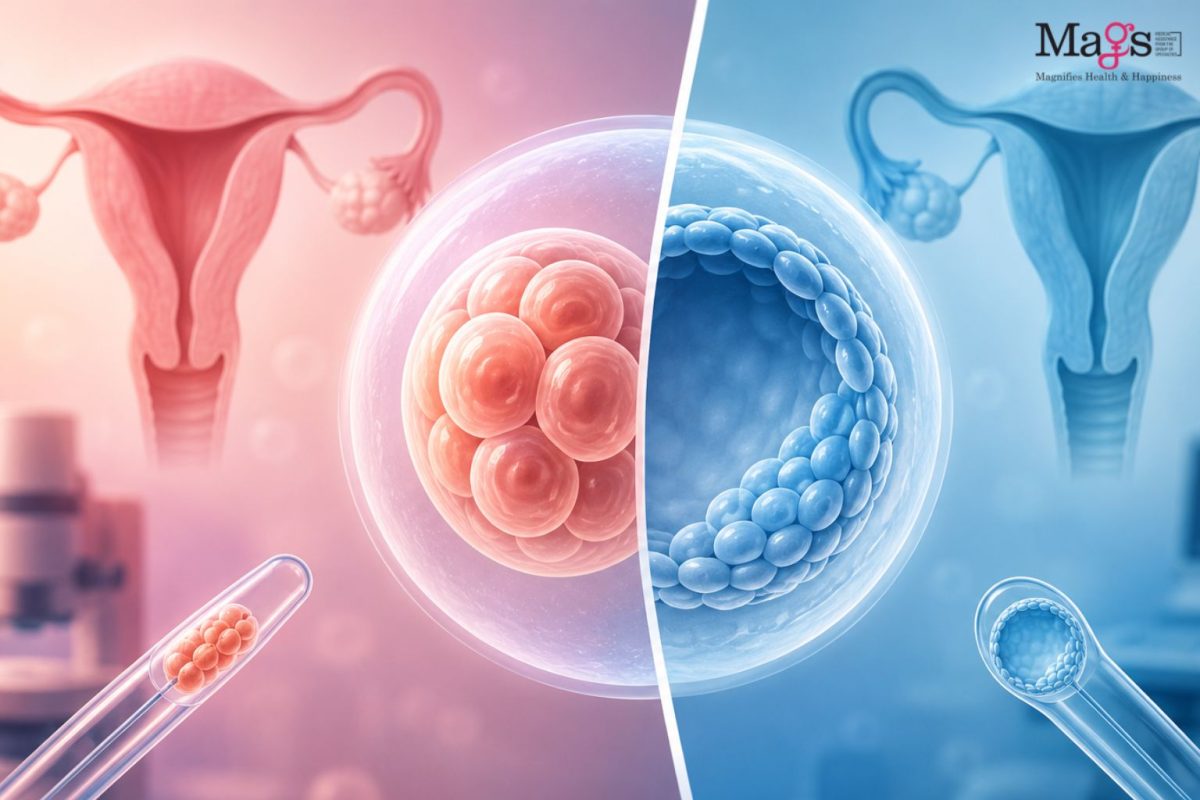
Modern IVF laboratories use advanced embryo grading systems to identify embryos with the greatest developmental potential.

Does Transferring More Embryos Increase IVF Success?

Many couples assume that transferring multiple embryos automatically improves pregnancy chances.

In reality, the decision is more complex.

The number of embryos transferred depends on factors such as:

  • Female age
  • Embryo quality
  • Previous IVF history
  • Risk of multiple pregnancy
  • National and international clinical guidelines

For younger women with high-quality embryos, transferring a single embryo often provides excellent pregnancy rates while reducing the risks associated with twins or higher-order multiple pregnancies.

In selected cases, doctors may recommend transferring more than one embryo based on individual medical circumstances.

The goal is not simply achieving pregnancy but achieving a healthy singleton pregnancy whenever possible.

Other Factors That Influence IVF Success

Age is important, but it is only one part of the picture.

Other factors include:

Ovarian Reserve

Tests such as AMH (Anti-Müllerian Hormone) and antral follicle count help estimate the number of eggs remaining.

Uterine Health

Conditions like fibroids, polyps, adenomyosis, or untreated infections may affect implantation.

Lifestyle

Healthy lifestyle choices can positively influence fertility outcomes.

These include:

  • Maintaining a healthy weight
  • Avoiding smoking and excessive alcohol
  • Managing stress
  • Eating a balanced diet
  • Following medical advice consistently

Underlying Medical Conditions

Hormonal disorders, endometriosis, thyroid disease, diabetes, and polycystic ovary syndrome (PCOS) may influence treatment success and often require careful management before IVF.

Can IVF Success Be Improved?

While age cannot be changed, several steps may improve the chances of success:

  • Seek fertility evaluation early if pregnancy is delayed.
  • Follow individualized treatment protocols.
  • Optimize nutrition and overall health before treatment.
  • Complete recommended fertility investigations.
  • Attend regular follow-up appointments.
  • Discuss embryo transfer strategies with your fertility specialist.

Every fertility journey is unique, and treatment plans should always be personalized rather than based solely on age.

When Should You Consult a Fertility Specialist?

You should consider consulting a fertility expert if:

  • You are below 35 and have been trying to conceive for one year without success.
  • You are above 35 and have been trying for six months.
  • You have irregular menstrual cycles.
  • You have experienced recurrent miscarriages.
  • There is a known male fertility concern.
  • You have previously undergone unsuccessful fertility treatments.

Early assessment can help identify underlying issues and guide appropriate treatment options.

Final Thoughts

Age significantly influences IVF success, but it is not the only factor that determines the outcome. Both female and male reproductive health contribute to embryo quality, implantation, and the chances of a successful pregnancy.

Advances in reproductive medicine now allow fertility specialists to develop individualized treatment strategies based on each couple’s unique medical profile. Seeking timely evaluation and understanding the factors that influence IVF can help couples make informed decisions and improve their chances of building a family.

If you’re considering treatment at an IVF clinic in Kolkata, consulting experienced fertility experts can help you understand your individual fertility profile and the treatment options best suited to your situation. Whether you are exploring infertility treatment in Kolkata for the first time or seeking guidance after previous treatment attempts, an evidence-based, personalized approach remains the cornerstone of successful care from experienced IVF specialists in Kolkata.

Categories
Uncategorized

Endometrial Thickness for IVF: Key Factors & How to Improve It

endometrial thickness

Endometrial Thickness for IVF: Key Factors & How to Improve It

One of the most crucial factors for a successful IVF cycle is the health of the endometrium—the inner lining of the uterus where the embryo implants. Even if you have high-quality embryos, implantation may become challenging if the endometrial lining is not adequately prepared.

Understanding the importance of endometrial thickness can help couples make informed decisions during their fertility journey. If you’re planning your treatment at an IVF clinic in Kolkata, knowing how the uterine lining affects IVF success can help you have realistic expectations and improve your chances of pregnancy.

At a trusted IVF Clinic in Kolkata, AMH testing is commonly used as part of a comprehensive fertility evaluation to help couples make informed decisions about their fertility journey.

What Is the Endometrium?

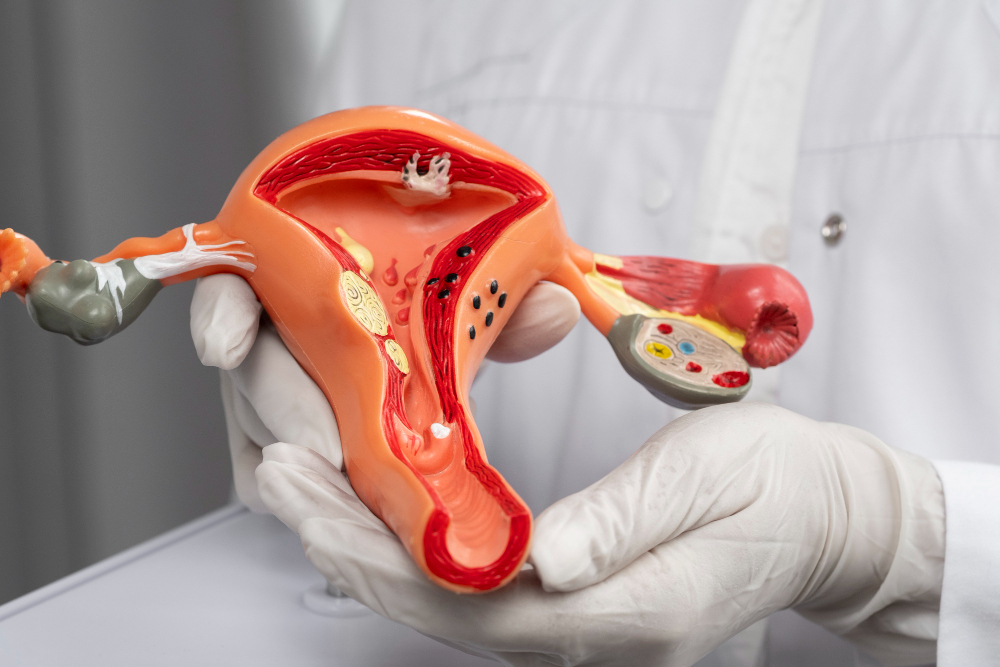
The endometrium is the soft, vascular tissue lining the inside of the uterus. Every month, under the influence of hormones, it thickens in preparation for a possible pregnancy. If fertilization does not occur, the lining sheds during menstruation.

During an IVF cycle, doctors carefully monitor the endometrium to ensure it is receptive when the embryo is transferred.

Why Does Endometrial Thickness Matter in IVF?

Embryo implantation depends on both embryo quality and uterine receptivity. A healthy endometrium provides the nutrients and blood supply required for the embryo to attach and continue developing.

Research has shown that women with an adequately thick and receptive endometrium generally have higher implantation and pregnancy rates compared to those with a thin lining.

While endometrial thickness is only one part of successful IVF, it remains one of the most important parameters monitored throughout the treatment.

What Is the Ideal Endometrial Thickness for IVF?

Although every patient is unique, most fertility specialists consider:

  • Less than 7 mm: May reduce implantation chances
  • 7–10 mm: Generally considered optimal for embryo transfer
  • 8–12 mm: Often associated with good pregnancy outcomes
  • More than 14 mm: May require further evaluation depending on the individual case

It is important to remember that thickness alone does not determine success. The pattern, blood flow, and overall health of the endometrium are equally significant.

How Is Endometrial Thickness Measured?

Doctors use a transvaginal ultrasound to measure the endometrial lining during the IVF cycle.

The scan helps fertility specialists assess:

  • Thickness of the lining
  • Endometrial pattern (often referred to as the triple-line appearance)
  • Blood circulation to the uterus
  • Timing for embryo transfer

Regular monitoring allows your fertility team to make adjustments to medications if needed.

Factors That Affect Endometrial Thickness

Several medical and lifestyle factors can influence the growth of the uterine lining.

  1. Hormonal Balance

Estrogen is the primary hormone responsible for thickening the endometrium. Low estrogen levels can lead to inadequate development of the uterine lining.

  1. Blood Flow to the Uterus

Healthy blood circulation delivers oxygen and nutrients essential for endometrial growth.

  1. Age

As women grow older, hormonal changes may affect both egg quality and endometrial receptivity.

  1. Previous Uterine Procedures

Certain surgeries or repeated uterine procedures may sometimes cause scarring that interferes with endometrial development.

  1. Medical Conditions

Conditions such as chronic endometritis, fibroids, uterine adhesions, or hormonal disorders can impact the thickness and quality of the lining.

  1. Lifestyle Factors

Smoking, chronic stress, poor nutrition, obesity, and inadequate sleep may negatively affect reproductive health, including uterine receptivity.

Symptoms of a Thin Endometrium

Many women do not experience noticeable symptoms. However, some may have:

  • Lighter-than-normal menstrual periods
  • Difficulty conceiving
  • Recurrent implantation failure
  • Recurrent pregnancy loss in certain cases

Since symptoms are not always present, ultrasound evaluation remains the most reliable method of assessment.

How to Improve Endometrial Thickness Naturally

While medical treatment should always be guided by a fertility specialist, adopting healthy lifestyle habits may support reproductive health.

Maintain a Balanced Diet

Include foods rich in:

  • Iron
  • Vitamin E
  • Vitamin C
  • Healthy fats
  • Protein
  • Leafy green vegetables
  • Fruits and whole grains

Proper nutrition supports hormone production and blood circulation.

Stay Physically Active

Moderate exercise can improve circulation without placing excessive stress on the body.

Manage Stress

Yoga, meditation, deep breathing, and adequate sleep may help reduce stress levels, which can positively influence hormonal balance.

Stay Hydrated

Good hydration supports overall circulation and tissue health.

Medical Treatments to Improve Endometrial Thickness

If the lining remains thin during IVF preparation, fertility specialists may recommend individualized treatment options such as:

Estrogen Therapy

Additional estrogen may be prescribed to stimulate endometrial growth.

Medication Adjustments

Doctors may modify your IVF protocol based on your response to hormonal medications.

Treatment of Underlying Conditions

If infections, inflammation, or uterine abnormalities are present, treating these issues may improve uterine receptivity.

Personalized IVF Protocols

Experienced fertility specialists carefully tailor medications and embryo transfer timing to maximize implantation potential.

Every patient’s treatment plan is unique, and self-medication should always be avoided.

Does a Thin Endometrium Mean IVF Will Fail?

Not necessarily.

Many women with thinner endometrial linings have successfully conceived after individualized treatment and careful monitoring. IVF success depends on multiple factors, including:

  • Embryo quality
  • Maternal age
  • Uterine health
  • Hormonal balance
  • Underlying fertility condition
  • Timing of embryo transfer

A comprehensive evaluation helps fertility specialists determine the best approach for each patient.

When Should You Consult a Fertility Specialist?

You should seek medical advice if you:

  • Have experienced repeated IVF failures
  • Have recurrent miscarriages
  • Have been trying to conceive for over one year (or six months if over 35 years)
  • Have irregular menstrual cycles
  • Have been diagnosed with uterine or hormonal disorders

Early evaluation allows appropriate treatment before IVF begins.

Conclusion

Endometrial thickness plays a vital role in successful embryo implantation, but it is only one piece of the fertility puzzle. Modern IVF treatment focuses on optimizing the entire uterine environment while ensuring the highest-quality embryos are transferred at the right time.

If you have concerns about your uterine lining or have experienced previous IVF failures, consulting experienced fertility experts can help identify the underlying cause and create a personalized treatment plan. With timely diagnosis, advanced fertility care, and the guidance of experienced IVF specialists in Kolkata, many couples can significantly improve their chances of achieving a healthy pregnancy.

Categories
Uncategorized

What Is AMH and Why Is It Important for Fertility?

What Is AMH and Why Is It Important for Fertility?

When couples face difficulty conceiving, one of the first tests fertility specialists often recommend is the AMH test. AMH, or Anti-Müllerian Hormone, plays a crucial role in assessing a woman’s reproductive health and helps doctors understand her ovarian reserve.

At a trusted IVF Clinic in Kolkata, AMH testing is commonly used as part of a comprehensive fertility evaluation to help couples make informed decisions about their fertility journey.

What Is AMH?

AMH (Anti-Müllerian Hormone) is a hormone produced by small follicles in a woman’s ovaries. These follicles contain immature eggs, and the amount of AMH in the blood provides an estimate of the number of eggs remaining in the ovaries.

Unlike many other reproductive hormones, AMH levels remain relatively stable throughout the menstrual cycle, making it a reliable marker for assessing ovarian reserve at any time during the month.

Why Is AMH Important for Fertility?

AMH does not directly determine a woman’s ability to conceive, but it offers valuable insights into her fertility potential. It helps fertility specialists:

  1. Assess Ovarian Reserve

AMH levels indicate how many eggs a woman may have remaining. Higher levels generally suggest a larger ovarian reserve, while lower levels may indicate diminished ovarian reserve.

  1. Plan Fertility Treatments

At an experienced IVF Clinic in Kolkata, AMH testing helps doctors customize fertility treatment plans. The results can guide decisions regarding:

  • IVF treatment protocols
  • Fertility medications
  • Egg freezing procedures
  • Timing of fertility treatment
  1. Predict Response to IVF Stimulation

Women with higher AMH levels often respond better to ovarian stimulation during IVF treatment. Conversely, lower AMH levels may require a different treatment approach to maximize success rates.

  1. Identify Certain Fertility Conditions

Abnormally high AMH levels can sometimes be associated with conditions such as Polycystic Ovary Syndrome (PCOS), while very low levels may suggest reduced ovarian reserve.

What Are Normal AMH Levels?

AMH levels vary from person to person and naturally decline with age. While interpretation should always be done by a fertility specialist, general ranges include:

AMH Level

Interpretation

Above 4.0 ng/mL

High ovarian reserve

1.5 – 4.0 ng/mL

Normal ovarian reserve

1.0 – 1.5 ng/mL

Low-normal reserve

Below 1.0 ng/mL

Reduced ovarian reserve

It’s important to remember that AMH is only one piece of the fertility puzzle. Many women with lower AMH levels can still conceive naturally or achieve successful pregnancies through fertility treatments.

Can AMH Predict Pregnancy?

A common misconception is that AMH predicts whether a woman can become pregnant. In reality, AMH primarily measures egg quantity, not egg quality.

Factors such as:

  • Age
  • Egg quality
  • Sperm health
  • Uterine health
  • Lifestyle factors

also significantly influence fertility and pregnancy outcomes.

This is why fertility experts at an IVF Clinic in Kolkata consider AMH alongside other diagnostic tests before recommending a treatment plan.

When Should You Get an AMH Test?

You may benefit from AMH testing if you:

  • Have been trying to conceive for more than a year
  • Are above 35 years of age and planning pregnancy
  • Have irregular menstrual cycles
  • Have a family history of early menopause
  • Are considering egg freezing
  • Have experienced recurrent IVF failure or miscarriage

Early fertility assessment can provide valuable information and help avoid delays in seeking appropriate treatment.

How Is the AMH Test Performed?

The AMH test is a simple blood test that can be performed on any day of the menstrual cycle. The procedure is quick, minimally invasive, and requires no special preparation.

Results are usually available within a few days and can provide important insights into your reproductive health.

AMH and IVF Success

For couples considering assisted reproductive techniques, AMH testing is particularly important. At a leading IVF Clinic in Kolkata, AMH levels help fertility specialists estimate:

  • The expected number of eggs that may be retrieved during IVF
  • The appropriate medication dosage
  • Potential treatment outcomes
  • The need for alternative fertility options if required

However, IVF success depends on multiple factors, and AMH is only one component of a comprehensive fertility assessment.

Take the First Step Toward Parenthood

Understanding your AMH levels can provide valuable information about your reproductive health and help you make informed decisions about your future family planning. If you have concerns about fertility or have been trying to conceive without success, consulting a fertility specialist can help identify the right path forward.

A reputed IVF Clinic in Kolkata can offer advanced diagnostic testing, personalized fertility evaluations, and comprehensive treatment options to support your journey toward parenthood.

Conclusion

AMH is an important hormone that helps assess ovarian reserve and guides fertility treatment planning. While it does not determine your ability to conceive on its own, it provides crucial information that can help fertility specialists develop the most effective treatment strategy. Early testing and expert guidance can make a significant difference in achieving your dream of starting a family.

Categories
Uncategorized

IVF Treatment After 35: What Women Should Know

ivf after 35

IVF Treatment After 35: What Women Should Know

Many women today choose to start or expand their families later in life due to career goals, financial planning, personal aspirations, or finding the right partner. While pregnancy after 35 is increasingly common, it is important to understand that fertility naturally declines with age. Fortunately, advancements in reproductive medicine have made IVF Treatment in Kolkata a reliable option for women looking to conceive after 35.

If you are considering IVF, understanding the factors that influence fertility and treatment success can help you make informed decisions about your reproductive health.

Why Fertility Declines After 35

Women are born with a fixed number of eggs, and both the quantity and quality of these eggs decrease over time. After the age of 35, this decline becomes more noticeable.

Some common age-related fertility challenges include:

  • Reduced ovarian reserve (fewer eggs available)
  • Lower egg quality
  • Increased risk of chromosomal abnormalities
  • Higher chances of miscarriage
  • Longer time to conceive naturally

While these changes can make conception more challenging, many women over 35 successfully achieve pregnancy through IVF with proper medical guidance.

When Should You Consider IVF?

For women under 35, fertility specialists generally recommend trying to conceive naturally for one year before seeking treatment. However, for women aged 35 and above, it is advisable to consult a fertility expert after six months of unsuccessful attempts.

You may benefit from IVF if you have:

  • Age-related fertility decline
  • Blocked or damaged fallopian tubes
  • Endometriosis
  • Polycystic Ovary Syndrome (PCOS)
  • Unexplained infertility
  • Male factor infertility
  • Previous failed fertility treatments

Early evaluation allows specialists to identify the underlying cause and recommend the most suitable treatment plan.

How IVF Works

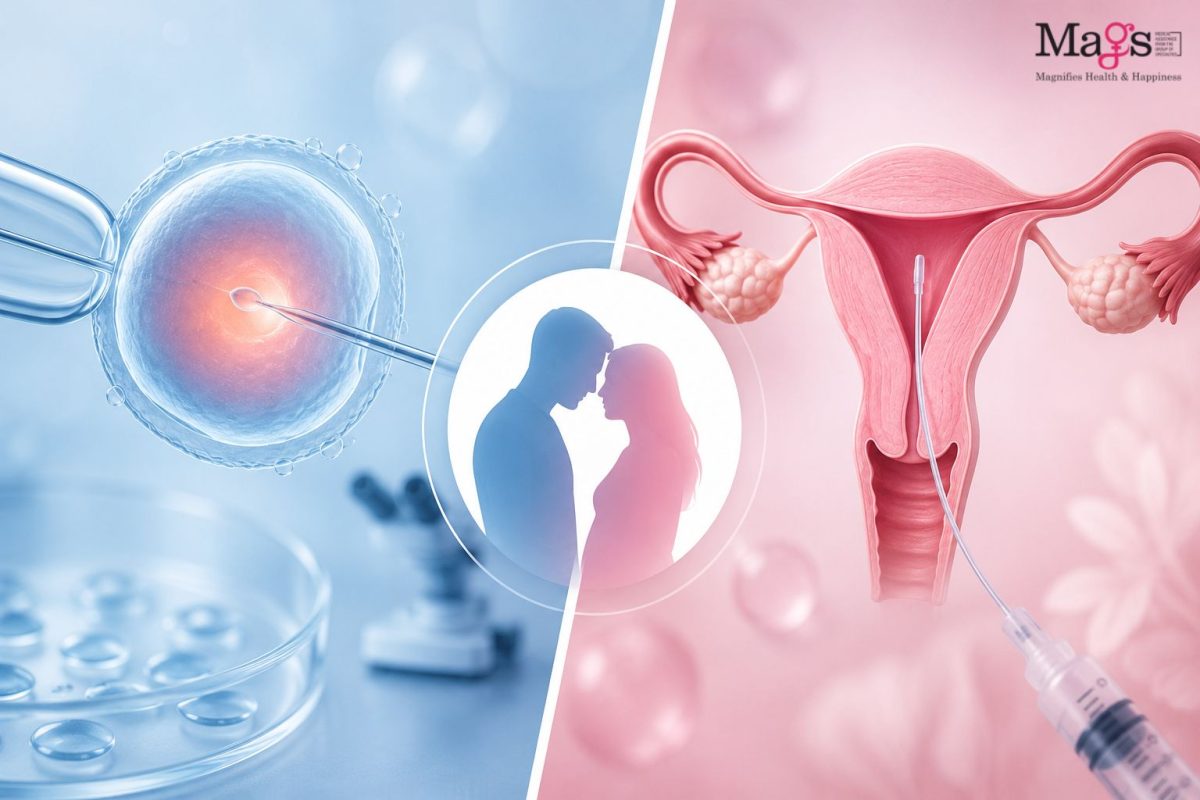
In Vitro Fertilization (IVF) is an advanced fertility treatment where eggs are retrieved from the ovaries, fertilized with sperm in a laboratory, and the resulting embryo is transferred into the uterus.

The IVF process typically involves:

  1. Ovarian Stimulation

Fertility medications stimulate the ovaries to produce multiple mature eggs.

  1. Egg Retrieval

The mature eggs are collected through a minimally invasive procedure.

  1. Fertilization

The eggs are fertilized with sperm in a specialized laboratory.

  1. Embryo Development

The fertilized eggs develop into embryos under careful monitoring.

  1. Embryo Transfer

A healthy embryo is transferred into the uterus to achieve pregnancy.

Success Rates of IVF After 35

Success rates vary depending on several factors, including age, ovarian reserve, overall health, and embryo quality.

Generally:

  • Women aged 35–37 often have good IVF outcomes.
  • Success rates gradually decline after 38.
  • Women above 40 may still achieve pregnancy, though additional fertility techniques may sometimes be recommended.

Advancements such as embryo freezing, genetic screening, and improved laboratory technologies have significantly enhanced IVF success rates for women in their late thirties and early forties.

Factors That Can Improve IVF Success

Maintain a Healthy Lifestyle

A healthy body creates a better environment for conception and pregnancy.

Consider:

  • Eating a balanced, nutrient-rich diet
  • Maintaining a healthy weight
  • Exercising regularly
  • Getting adequate sleep
  • Avoiding smoking and excessive alcohol consumption

Manage Stress

Although stress alone does not cause infertility, emotional well-being can positively influence your overall fertility journey.

Activities such as yoga, meditation, and counselling may help reduce anxiety during treatment.

Follow Your Doctor’s Recommendations

Timely investigations, medications, and follow-up appointments play an important role in achieving optimal results.

Advanced Fertility Technologies Available Today

Modern fertility centres now offer advanced diagnostic and treatment options that improve treatment outcomes.

These may include:

  • Blastocyst culture
  • Intracytoplasmic Sperm Injection (ICSI)
  • Preimplantation Genetic Testing (PGT)
  • Embryo freezing (Cryopreservation)
  • Time-lapse embryo monitoring

Such innovations help fertility specialists select the healthiest embryos and enhance the chances of a successful pregnancy.

Emotional Aspects of IVF After 35

The IVF journey can be emotionally demanding, especially when dealing with age-related fertility concerns. It is important to remember that every fertility journey is unique.

Seeking support from:

  • Fertility counsellors
  • Support groups
  • Family members
  • Trusted healthcare professionals

can help you stay positive and informed throughout the treatment process.

Why Early Consultation Matters

One of the biggest misconceptions is that fertility treatment can be postponed indefinitely. While IVF offers hope for many women, fertility potential continues to decline with age.

Consulting a fertility specialist at the right time allows for:

  • Early diagnosis
  • Personalized treatment planning
  • Better treatment outcomes
  • Improved chances of pregnancy

Conclusion

Motherhood after 35 is increasingly common, and advancements in reproductive medicine have made it possible for many women to achieve successful pregnancies. Understanding your fertility status, seeking timely medical advice, and exploring the right treatment options can make a significant difference.

If you are considering IVF Treatment in Kolkata, consulting an experienced fertility specialist can help you understand your options and create a personalized plan tailored to your needs. With the right medical support and advanced fertility care, your dream of starting or growing your family may be closer than you think.

Categories
Uncategorized

How Advanced Fertility Technologies Are Improving Success Rates in Kolkata

infertility treatment

How Advanced Fertility Technologies Are Improving Success Rates in Kolkata

For many couples, the journey to parenthood is not always straightforward. While infertility can be emotionally and physically challenging, remarkable advancements in reproductive medicine have transformed the way fertility issues are diagnosed and treated. Today, an Infertility Clinic in Kolkata can offer highly sophisticated diagnostic tools and treatment options that were unavailable just a few years ago, significantly improving the chances of conception and a healthy pregnancy.

With the integration of advanced fertility technologies, specialists can now identify the underlying causes of infertility more accurately, personalize treatment plans, and achieve better outcomes for couples struggling to conceive.

Understanding the Need for Advanced Fertility Care

Infertility affects both men and women and can result from various factors, including:

  • Ovulation disorders
  • Polycystic Ovary Syndrome (PCOS)
  • Endometriosis
  • Blocked fallopian tubes
  • Low ovarian reserve
  • Male factor infertility
  • Genetic abnormalities
  • Unexplained infertility

In many cases, conventional fertility tests may not reveal the complete picture. This is where advanced fertility technologies play a crucial role in identifying hidden factors and improving treatment success.

Advanced Fertility Technologies Available at an Infertility Clinic in Kolkata

  1. Comprehensive Fertility Diagnostics

Accurate diagnosis is the foundation of successful fertility treatment.

Modern fertility clinics now utilize advanced diagnostic tools such as:

  • Hormonal profiling
  • Ovarian reserve assessment (AMH testing)
  • High-resolution ultrasound imaging
  • Hysteroscopy and laparoscopy
  • Advanced semen analysis

These investigations help fertility specialists develop individualized treatment strategies based on the patient’s unique reproductive health profile.

  1. Advanced Genetic Testing

Genetic factors can contribute to infertility, recurrent pregnancy loss, and repeated IVF failures.

Advanced genetic testing can help identify:

  • Chromosomal abnormalities
  • Genetic disorders affecting embryo development
  • Causes of recurrent miscarriage
  • Hidden factors impacting fertility outcomes

By identifying potential genetic concerns before treatment, specialists can make informed decisions that improve the likelihood of a successful pregnancy.

  1. DNA Fragmentation Testing for Male Infertility

A routine semen analysis evaluates sperm count, motility, and morphology. However, sperm DNA quality is equally important.

DNA Fragmentation Testing helps assess:

  • Sperm genetic integrity
  • Risk of fertilization failure
  • Causes of recurrent IVF failure
  • Recurrent pregnancy loss associated with male factors

This advanced test enables fertility specialists to address male infertility more effectively and optimize treatment outcomes.

  1. Advanced IVF Techniques

In Vitro Fertilization (IVF) has evolved significantly over the years.

Modern IVF laboratories use sophisticated technologies that help improve fertilization rates and embryo quality.

Benefits include:

  • Better embryo selection
  • Improved fertilization outcomes
  • Enhanced embryo culture conditions
  • Higher implantation potential

These advancements contribute to improved success rates for couples undergoing fertility treatment.

  1. Embryo Monitoring and Selection Technologies

Choosing the healthiest embryo is one of the most critical steps in IVF treatment.

Advanced embryo assessment methods allow embryologists to:

  • Monitor embryo development closely
  • Identify embryos with the highest implantation potential
  • Improve embryo transfer decisions

This technology helps maximize the chances of a successful pregnancy while reducing unnecessary treatment cycles.

  1. Fertility Preservation Options

Many individuals today choose to delay parenthood due to career, medical, or personal reasons.

Advanced fertility preservation techniques such as egg freezing and sperm freezing provide an opportunity to safeguard future fertility.

These technologies are especially beneficial for:

  • Women with declining ovarian reserve
  • Cancer patients before treatment
  • Individuals planning delayed parenthood
  1. Personalized Fertility Treatment Plans

One of the biggest advancements in reproductive medicine is the shift from standardized treatment to personalized fertility care.

Modern fertility specialists can tailor treatment based on:

  • Age
  • Hormonal profile
  • Ovarian reserve
  • Genetic findings
  • Previous fertility treatment history
  • Male fertility factors

Personalized treatment approaches often lead to better outcomes and more efficient fertility management.

How These Technologies Improve Success Rates

Advanced fertility technologies help improve outcomes by:

Earlier and More Accurate Diagnosis

Hidden fertility issues can be detected sooner, reducing delays in treatment.

Better Treatment Planning

Doctors can choose the most appropriate treatment pathway based on precise diagnostic information.

Improved Embryo Quality Assessment

Selecting healthier embryos increases the likelihood of implantation and pregnancy.

Reduced Risk of Repeated Treatment Failure

Advanced testing helps identify factors that may contribute to unsuccessful IVF cycles.

Enhanced Patient Care

Personalized treatment protocols improve both patient experience and treatment effectiveness.

Why Choosing the Right Infertility Clinic in Kolkata Matters

While advanced technologies play a significant role, their effectiveness depends on the expertise of the fertility team and the quality of laboratory facilities.

When selecting an Infertility Clinic in Kolkata, couples should consider:

  • Experience of fertility specialists
  • Availability of advanced diagnostic services
  • Modern embryology laboratory infrastructure
  • Comprehensive fertility care under one roof
  • Personalized treatment approach
  • Support for both male and female infertility

A clinic equipped with advanced technology and experienced fertility professionals can significantly enhance the chances of achieving a successful pregnancy.

Conclusion

Fertility treatment has progressed far beyond conventional testing and standard IVF procedures. Today, advanced technologies are helping fertility specialists diagnose complex reproductive issues, personalize treatments, and improve pregnancy outcomes for couples facing infertility challenges.

By choosing an experienced Infertility Clinic in Kolkata that offers modern fertility diagnostics, genetic testing, advanced IVF procedures, and personalized care, couples can benefit from the latest innovations in reproductive medicine and move closer to achieving their dream of parenthood.

If you have been trying to conceive without success, consulting a fertility specialist early can help identify the underlying cause and determine the most suitable treatment options for your unique situation.

Categories
Uncategorized

Irregular Periods Treatment in Kolkata: When Should You See a Doctor?

Irregular Periods Treatment in Kolkata

Irregular Periods Treatment in Kolkata: When Should You See a Doctor?

Irregular periods are a common concern among women, but when they persist over time, they may indicate underlying reproductive health issues. A healthy menstrual cycle typically ranges between 21 to 35 days, with an average of 28 days. If your cycle frequently falls outside this range, you may need professional irregular periods treatment in Kolkata.

Understanding the causes of irregular periods, identifying symptoms early, and seeking timely medical advice can significantly improve your reproductive health and fertility.

What Are Irregular Periods?

Irregular periods may include:

  • Missed periods
  • Frequent cycles (less than 21 days)
  • Delayed cycles (more than 35 days)
  • Heavy or prolonged bleeding
  • Spotting between cycles

If these symptoms continue, it’s important to consult a doctor for irregular periods in Kolkata.

Common Causes of Irregular Periods

Hormonal Imbalance and PCOS

One of the most common causes of irregular periods is hormonal imbalance. Hormones regulate ovulation and the menstrual cycle, so even minor imbalances can disrupt the entire process.

A major condition associated with this is Polycystic Ovary Syndrome (PCOS). Women with PCOS may experience:

  • Irregular or missed periods
  • Weight gain
  • Acne
  • Excess hair growth

Seeking proper PCOS treatment in Kolkata can help regulate cycles and improve fertility outcomes.

Thyroid disorders can also contribute to hormonal imbalance and irregular menstruation.

Uterine Conditions and Pelvic Disorders

Certain medical conditions affecting the uterus and reproductive organs can lead to irregular periods:

  • Uterine fibroids may cause heavy or prolonged bleeding
  • Pelvic inflammatory disease can lead to pain and irregular cycles

Proper diagnosis is essential to treat these conditions effectively.

When Should You See a Doctor for Irregular Periods?

While occasional irregularity is normal, you should consult a doctor for irregular periods in Kolkata if you notice:

  • Missing periods for 2–3 months
  • Cycles shorter than 21 days or longer than 35 days
  • Very heavy bleeding
  • Severe pelvic pain
  • Spotting between periods

If you are located nearby, you can consult a trusted gynocologist near saltlake or visit a reputed ivf clinic saltlake for expert evaluation.

Irregular Periods and Fertility

There is a strong link between irregular periods and fertility. Irregular cycles often indicate irregular ovulation, which can reduce the chances of conception.

Women planning pregnancy should not ignore menstrual irregularities, as early treatment can improve fertility outcomes significantly.

Fertility Treatment for Irregular Periods in Kolkata

If irregular periods are affecting your fertility, multiple treatment options are available:

  • Hormonal therapy to correct imbalance
  • Lifestyle modifications (diet, exercise, stress management)
  • Ovulation induction treatments
  • Advanced fertility treatment in Kolkata, including IVF

Consulting an experienced IVF specialist in Kolkata helps identify the root cause and ensures personalized treatment at a trusted ivf clinic saltlake.

Why Early Treatment Matters

Ignoring irregular periods can lead to:

  • Long-term hormonal disorders
  • Worsening of PCOS
  • Reduced fertility chances

Timely fertility treatment for irregular periods can restore hormonal balance and improve reproductive health.

Book Your Consultation Today

If you are experiencing irregular periods or facing difficulty in conceiving, don’t delay treatment.

👉 Consult a trusted doctor for irregular periods in Kolkata
👉 Visit a reliable ivf clinic saltlake
👉 Get expert care from an experienced IVF specialist in Kolkata

Early diagnosis and the right treatment can help you regain a healthy cycle and improve your chances of pregnancy.

Frequently Asked Questions (FAQ)

Q1. What are the main causes of irregular periods?
The most common causes include hormonal imbalance, PCOS, thyroid disorders, stress, and uterine conditions like fibroids.

Q2. Can irregular periods affect fertility?
Yes, irregular periods can disrupt ovulation, making it difficult to conceive naturally.

Q3. When should I see a doctor for irregular periods?
If your periods are consistently irregular, missed for months, or unusually heavy, consult a specialist immediately.

Q4. Is PCOS treatable?
Yes, with proper medical care, lifestyle changes, and expert guidance, PCOS can be effectively managed.

Q5. Where can I get fertility treatment in Kolkata?
You can consult an experienced IVF specialist in Kolkata or visit a trusted IVF clinic in Salt Lake for complete evaluation and treatment.

Recent Blog

What is the Role of…

How Age of Both Men…

Endometrial Thickness for IVF: Key…