One of the most crucial factors for a successful IVF cycle is the health of the endometrium—the inner lining of the uterus where the embryo implants. Even if you have high-quality embryos, implantation may become challenging if the endometrial lining is not adequately prepared.
Understanding the importance of endometrial thickness can help couples make informed decisions during their fertility journey. If you’re planning your treatment at an IVF clinic in Kolkata, knowing how the uterine lining affects IVF success can help you have realistic expectations and improve your chances of pregnancy.
At a trusted IVF Clinic in Kolkata, AMH testing is commonly used as part of a comprehensive fertility evaluation to help couples make informed decisions about their fertility journey.
What Is the Endometrium?
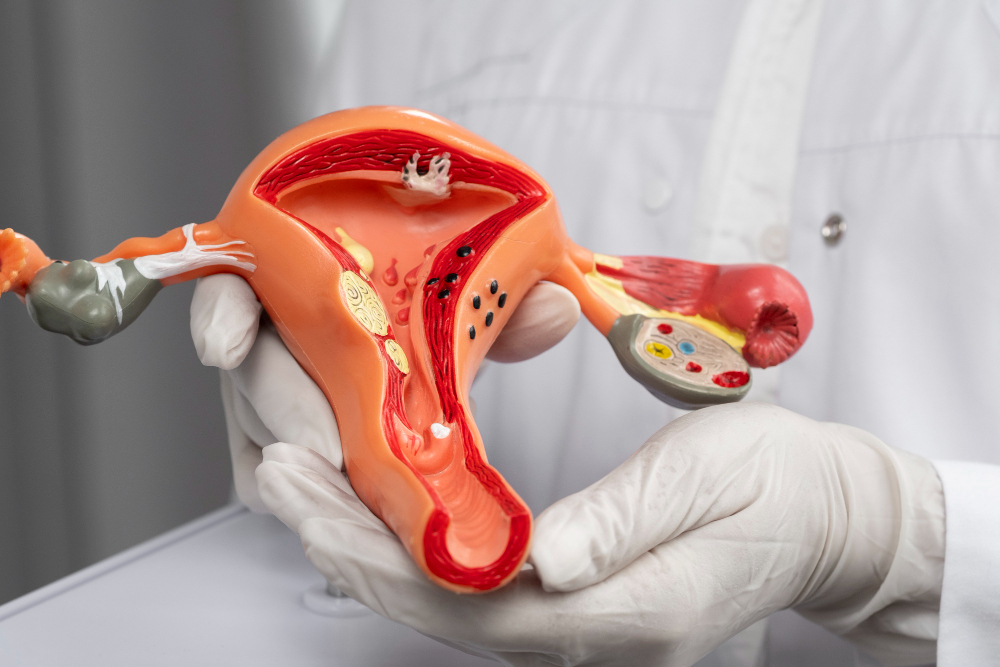
The endometrium is the soft, vascular tissue lining the inside of the uterus. Every month, under the influence of hormones, it thickens in preparation for a possible pregnancy. If fertilization does not occur, the lining sheds during menstruation.
During an IVF cycle, doctors carefully monitor the endometrium to ensure it is receptive when the embryo is transferred.
Why Does Endometrial Thickness Matter in IVF?
Embryo implantation depends on both embryo quality and uterine receptivity. A healthy endometrium provides the nutrients and blood supply required for the embryo to attach and continue developing.
Research has shown that women with an adequately thick and receptive endometrium generally have higher implantation and pregnancy rates compared to those with a thin lining.
While endometrial thickness is only one part of successful IVF, it remains one of the most important parameters monitored throughout the treatment.
What Is the Ideal Endometrial Thickness for IVF?
Although every patient is unique, most fertility specialists consider:
- Less than 7 mm: May reduce implantation chances
- 7–10 mm: Generally considered optimal for embryo transfer
- 8–12 mm: Often associated with good pregnancy outcomes
- More than 14 mm: May require further evaluation depending on the individual case
It is important to remember that thickness alone does not determine success. The pattern, blood flow, and overall health of the endometrium are equally significant.
How Is Endometrial Thickness Measured?
Doctors use a transvaginal ultrasound to measure the endometrial lining during the IVF cycle.
The scan helps fertility specialists assess:
- Thickness of the lining
- Endometrial pattern (often referred to as the triple-line appearance)
- Blood circulation to the uterus
- Timing for embryo transfer
Regular monitoring allows your fertility team to make adjustments to medications if needed.
Factors That Affect Endometrial Thickness
Several medical and lifestyle factors can influence the growth of the uterine lining.
- Hormonal Balance
Estrogen is the primary hormone responsible for thickening the endometrium. Low estrogen levels can lead to inadequate development of the uterine lining.
- Blood Flow to the Uterus
Healthy blood circulation delivers oxygen and nutrients essential for endometrial growth.
- Age
As women grow older, hormonal changes may affect both egg quality and endometrial receptivity.
- Previous Uterine Procedures
Certain surgeries or repeated uterine procedures may sometimes cause scarring that interferes with endometrial development.
- Medical Conditions
Conditions such as chronic endometritis, fibroids, uterine adhesions, or hormonal disorders can impact the thickness and quality of the lining.
- Lifestyle Factors
Smoking, chronic stress, poor nutrition, obesity, and inadequate sleep may negatively affect reproductive health, including uterine receptivity.
Symptoms of a Thin Endometrium
Many women do not experience noticeable symptoms. However, some may have:
- Lighter-than-normal menstrual periods
- Difficulty conceiving
- Recurrent implantation failure
- Recurrent pregnancy loss in certain cases
Since symptoms are not always present, ultrasound evaluation remains the most reliable method of assessment.
How to Improve Endometrial Thickness Naturally
While medical treatment should always be guided by a fertility specialist, adopting healthy lifestyle habits may support reproductive health.
Maintain a Balanced Diet
Include foods rich in:
- Iron
- Vitamin E
- Vitamin C
- Healthy fats
- Protein
- Leafy green vegetables
- Fruits and whole grains
Proper nutrition supports hormone production and blood circulation.
Stay Physically Active
Moderate exercise can improve circulation without placing excessive stress on the body.
Manage Stress
Yoga, meditation, deep breathing, and adequate sleep may help reduce stress levels, which can positively influence hormonal balance.
Stay Hydrated
Good hydration supports overall circulation and tissue health.
Medical Treatments to Improve Endometrial Thickness
If the lining remains thin during IVF preparation, fertility specialists may recommend individualized treatment options such as:
Estrogen Therapy
Additional estrogen may be prescribed to stimulate endometrial growth.
Medication Adjustments
Doctors may modify your IVF protocol based on your response to hormonal medications.
Treatment of Underlying Conditions
If infections, inflammation, or uterine abnormalities are present, treating these issues may improve uterine receptivity.
Personalized IVF Protocols
Experienced fertility specialists carefully tailor medications and embryo transfer timing to maximize implantation potential.
Every patient’s treatment plan is unique, and self-medication should always be avoided.
Does a Thin Endometrium Mean IVF Will Fail?
Not necessarily.
Many women with thinner endometrial linings have successfully conceived after individualized treatment and careful monitoring. IVF success depends on multiple factors, including:
- Embryo quality
- Maternal age
- Uterine health
- Hormonal balance
- Underlying fertility condition
- Timing of embryo transfer
A comprehensive evaluation helps fertility specialists determine the best approach for each patient.
When Should You Consult a Fertility Specialist?
You should seek medical advice if you:
- Have experienced repeated IVF failures
- Have recurrent miscarriages
- Have been trying to conceive for over one year (or six months if over 35 years)
- Have irregular menstrual cycles
- Have been diagnosed with uterine or hormonal disorders
Early evaluation allows appropriate treatment before IVF begins.
Conclusion
Endometrial thickness plays a vital role in successful embryo implantation, but it is only one piece of the fertility puzzle. Modern IVF treatment focuses on optimizing the entire uterine environment while ensuring the highest-quality embryos are transferred at the right time.
If you have concerns about your uterine lining or have experienced previous IVF failures, consulting experienced fertility experts can help identify the underlying cause and create a personalized treatment plan. With timely diagnosis, advanced fertility care, and the guidance of experienced IVF specialists in Kolkata, many couples can significantly improve their chances of achieving a healthy pregnancy.