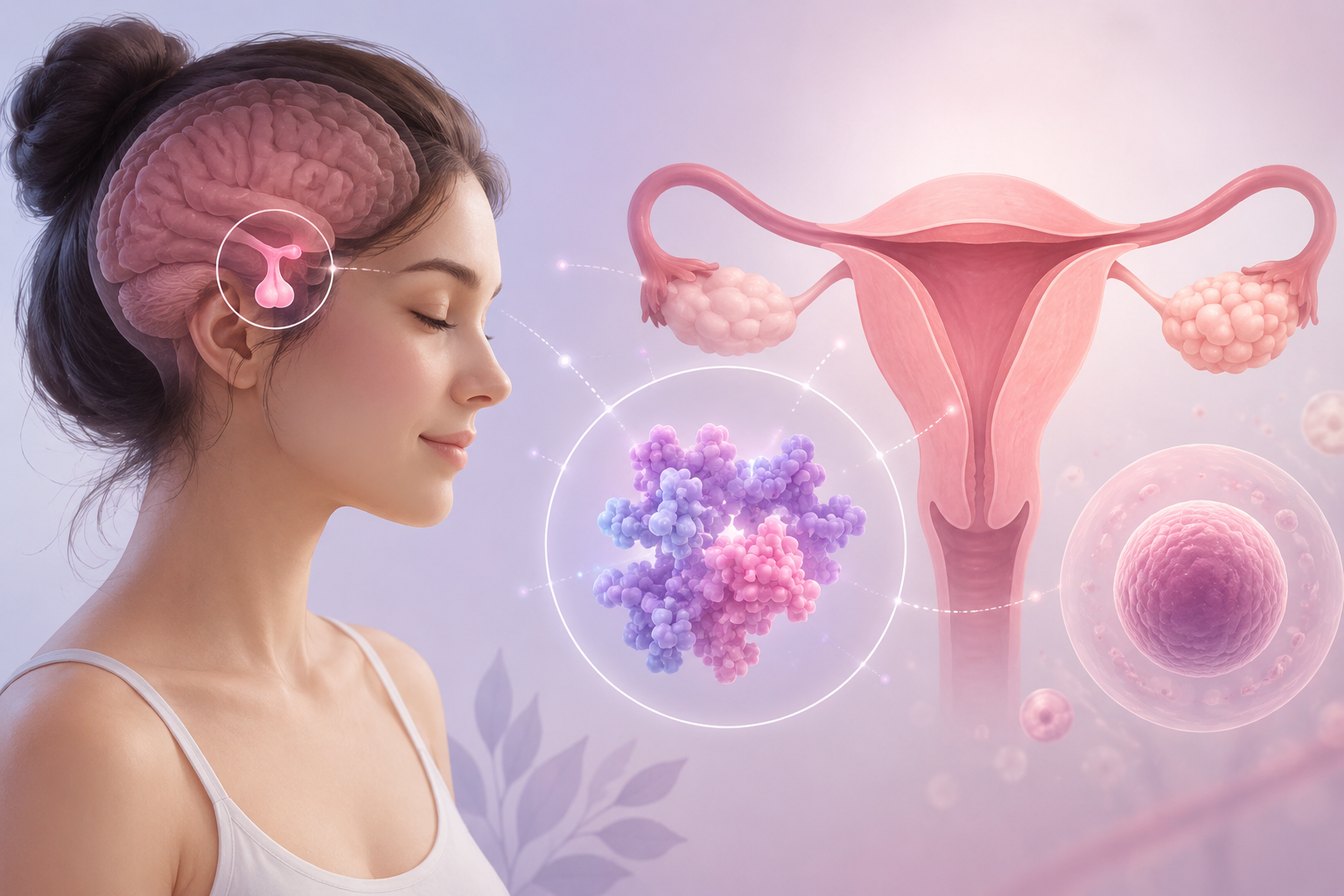
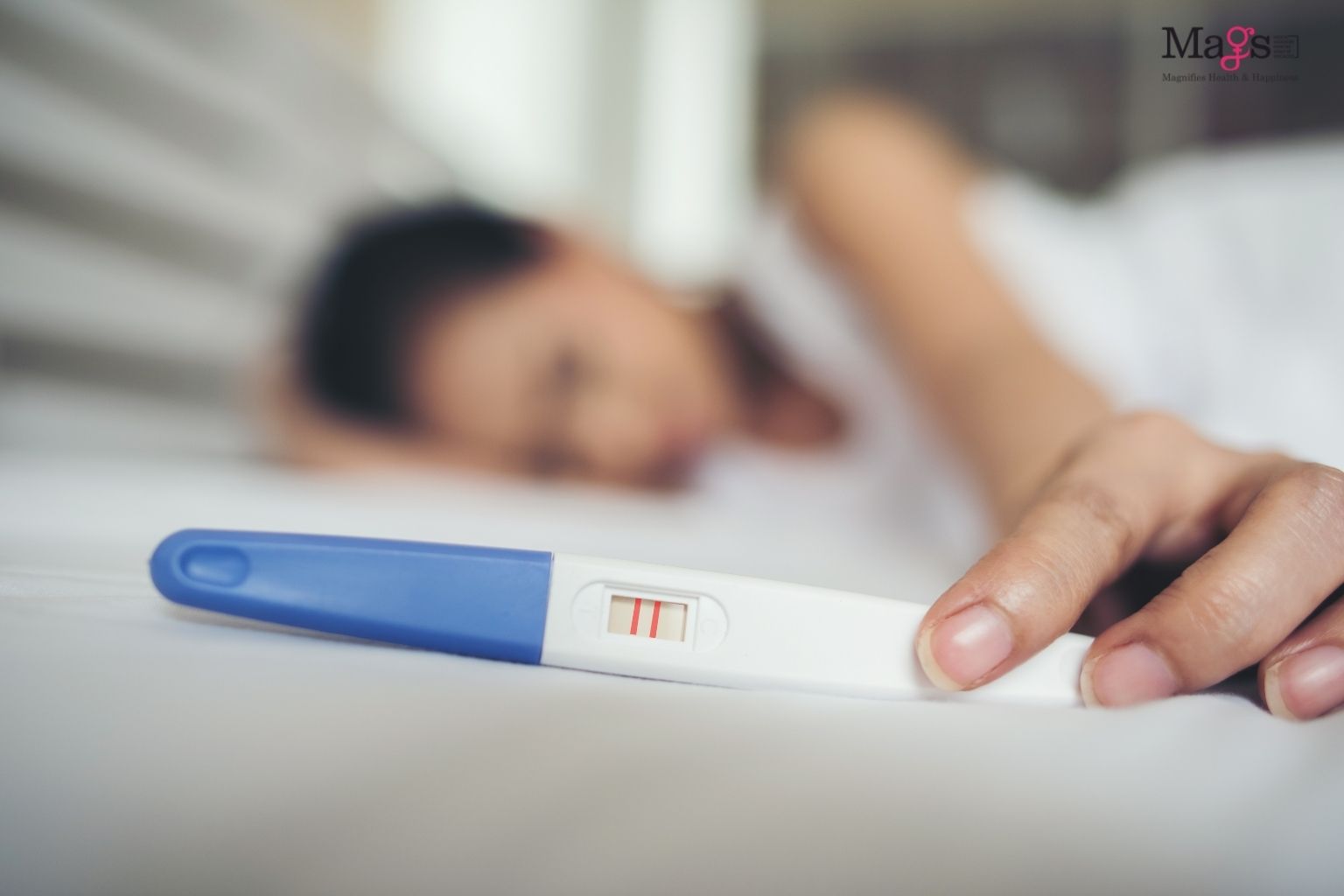
Hormones play a vital role in regulating the reproductive system, and even a small imbalance can affect your ability to conceive. One such hormone is prolactin. While it is primarily known for helping mothers produce breast milk after childbirth, prolactin also influences ovulation, menstrual cycles, and reproductive health in both women and men.
When prolactin levels become higher than normal—a condition known as hyperprolactinemia—it can interfere with fertility and make conception more difficult. Understanding how this hormone works is an important step for couples trying to start a family.
What is Prolactin?
Prolactin is a hormone produced by the pituitary gland, a small gland located at the base of the brain. Its primary function is to stimulate breast development and milk production after childbirth.
In people who are not pregnant or breastfeeding, prolactin levels are typically low. However, when these levels increase unexpectedly, they can disrupt the normal production of other reproductive hormones, affecting fertility.
How Does Prolactin Affect Female Fertility?
For women, normal prolactin levels are essential for maintaining a healthy reproductive cycle. Elevated prolactin levels can suppress the release of gonadotropin-releasing hormone (GnRH), which in turn reduces the production of follicle-stimulating hormone (FSH) and luteinizing hormone (LH).
This hormonal imbalance can lead to:
- Irregular or absent menstrual periods
- Delayed or absent ovulation
- Difficulty conceiving naturally
- Reduced estrogen levels
- Increased risk of infertility
Without regular ovulation, the chances of fertilization decrease significantly.
Can High Prolactin Affect Male Fertility?
Yes. Although prolactin is often associated with women, elevated levels can also impact male fertility.
High prolactin may result in:
- Reduced testosterone production
- Lower sperm count
- Decreased sperm quality
- Erectile dysfunction
- Reduced libido
Since fertility depends on the reproductive health of both partners, hormone testing may be recommended for men during infertility evaluations.
Common Causes of High Prolactin Levels
Several medical and lifestyle factors can increase prolactin levels, including:
- Benign pituitary gland tumors (prolactinomas)
- Certain medications, such as antidepressants and antipsychotics
- Thyroid disorders, particularly hypothyroidism
- Chronic stress
- Polycystic Ovary Syndrome (PCOS)
- Kidney or liver disease
Identifying the underlying cause is essential before beginning treatment.
Symptoms of High Prolactin
The symptoms may vary depending on gender.
In Women
- Irregular or missed periods
- Difficulty getting pregnant
- Unexpected breast milk discharge (galactorrhea)
- Vaginal dryness
- Reduced sexual desire
In Men
- Low libido
- Erectile dysfunction
- Reduced facial or body hair
- Infertility
- Breast enlargement in rare cases
Some individuals may have no noticeable symptoms, making hormone testing an important part of fertility assessments.
How is Prolactin Related to IVF?
Couples planning assisted reproductive treatments often undergo comprehensive hormone evaluations. Elevated prolactin levels can affect ovarian stimulation, egg development, and ovulation, which may reduce the effectiveness of fertility treatments if left untreated.
Before starting treatment at an IVF clinic in Kolkata, fertility specialists usually assess hormone levels, including prolactin, to optimise the chances of successful conception.
Correcting hormonal imbalances before an IVF cycle can improve treatment outcomes and support a healthier reproductive environment.
How is High Prolactin Diagnosed?
Diagnosis typically begins with a detailed medical history and physical examination.
Doctors may recommend:
- Blood tests to measure prolactin levels
- Thyroid function tests
- MRI scan of the pituitary gland if a tumor is suspected
- Additional hormone testing depending on symptoms
Since prolactin levels can temporarily rise due to stress or recent physical activity, repeat testing may sometimes be necessary.
Treatment Options
Treatment depends on the underlying cause and the severity of symptoms.
Common treatment approaches include:
Medication
Dopamine agonists such as cabergoline or bromocriptine are commonly prescribed to lower prolactin levels. These medications often restore ovulation and improve fertility.
Treating Underlying Conditions
If hypothyroidism or medication side effects are responsible, addressing these issues may normalize prolactin levels.
Surgery
Rarely, surgery may be required for large pituitary tumors that do not respond to medication.
Many people regain normal fertility after appropriate treatment.
When Should You See a Fertility Specialist?
It may be time to consult a fertility expert if you experience:
- Irregular or absent menstrual cycles
- Difficulty conceiving after trying for a year (or six months if over 35)
- Recurrent pregnancy loss
- Symptoms suggestive of hormonal imbalance
- Unexplained infertility
Experienced IVF specialists in Kolkata often recommend hormone evaluation as part of a comprehensive fertility assessment to identify treatable causes before proceeding with advanced reproductive techniques.
Supporting Fertility Beyond Hormone Treatment
While medical treatment is essential for hormone disorders, certain lifestyle habits can support overall reproductive health:
- Maintain a healthy body weight
- Eat a balanced, nutrient-rich diet
- Exercise regularly without overtraining
- Get adequate sleep
- Manage stress effectively
- Follow prescribed medications consistently
These measures may contribute to better hormonal balance and improved fertility outcomes.
Conclusion
Prolactin is much more than a hormone involved in breastfeeding. It plays an important role in reproductive health, and abnormal levels can interfere with fertility in both women and men. Fortunately, high prolactin is often treatable, and timely diagnosis can restore normal reproductive function.
If you are experiencing symptoms of hormonal imbalance or struggling to conceive, a comprehensive fertility evaluation can help identify the underlying cause. Modern infertility treatment in Kolkata includes detailed hormone assessments, enabling doctors to create personalised treatment plans based on each individual’s needs.